
The short answer is yes, but only if they’re well-designed.
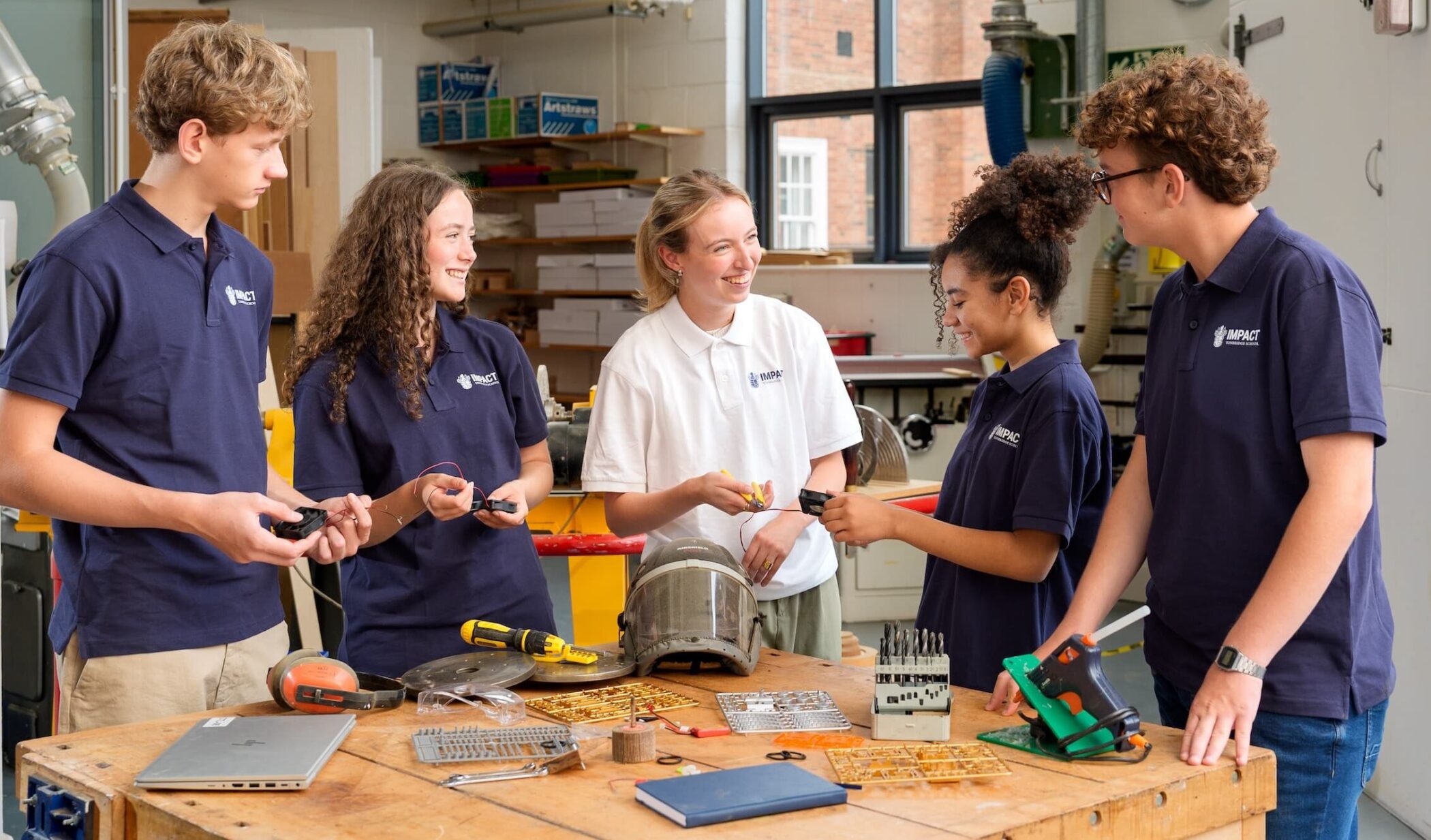
Summer schools which use applied learning (mixing academics with hands-on experiences) tend to offer stronger benefits than purely classroom-based programmes.
A well-designed programme can:
- lead to around three months of additional academic progress on average (Education Endowment Foundation, 2026)
- help students to understand concepts more deeply by encouraging active hands-on learning
- build personal skills and attributes beyond academics, such as critical thinking, teamwork, communication, confidence and independence
- help students explore interests and career paths in a low-pressure setting, which can be valuable before choosing subjects or degrees
- prevent ‘summer learning loss’ by maintaining momentum, stimulating curiosity and making learning fun
They are not worth it when they lack clear goals, there’s little academic content, or if classes are too basic or rushed. The best programmes combine serious academics with hands-on learning, use small groups and expert teaching, as well as keeping students actively engaged.
Overall, they’re less about boosting grades overnight and more about deep understanding, skills, and motivation which often pays off in the longer term.

