Skip to content
  • The Programme

    Programme Overview

    • Programme Overview
    • Academic Pathway
    • Courses
      • Law, Politics & Global Affairs
      • Innovative Entrepreneurship
      • Science & Biomed
      • Computer Science, Robotics & AI
      • Engineering, Design & Technology
      • English for Global Leaders
    • Personal Development
    • IMPACT Skills
    • Activities & Excursions
    Back to main menu
  • The School

    The School

    • History
    • Boarding Life
    • Facilities
    • Location
    Back to main menu
  • Useful Information

    Useful Information

    • Dates & Fees
    • Safeguarding & Student Wellbeing
    • Booking Terms & Conditions
    • Arrival & Departure Information
    • FAQs
    Back to main menu
  • Book Now
  • Contact Us
Law, Politics & Global Affairs 3

Law, Politics & Global Affairs 3

How are decisions made when communities, governments and organisations have different priorities?

This course introduces students to the relationship between law, politics and international affairs. Through case studies and discussion, students examine how rules and institutions shape decisions, and how leaders respond to complex global challenges. They learn to distinguish opinion from evidence and consider the responsibilities attached to the exercise of power.

Two-week course | 9:00am to 12:30pm and 2:00pm to 3:00pm
Minimum English level: B1 / IELTS 4.0

What Students Explore

  • Rights, responsibilities and the role of laws and public institutions.
  • Political decision-making, leadership and international cooperation.
  • The competing interests of communities, governments and businesses.
  • Ethical judgement, negotiation and the use of evidence in public debate.

Learning in Practice

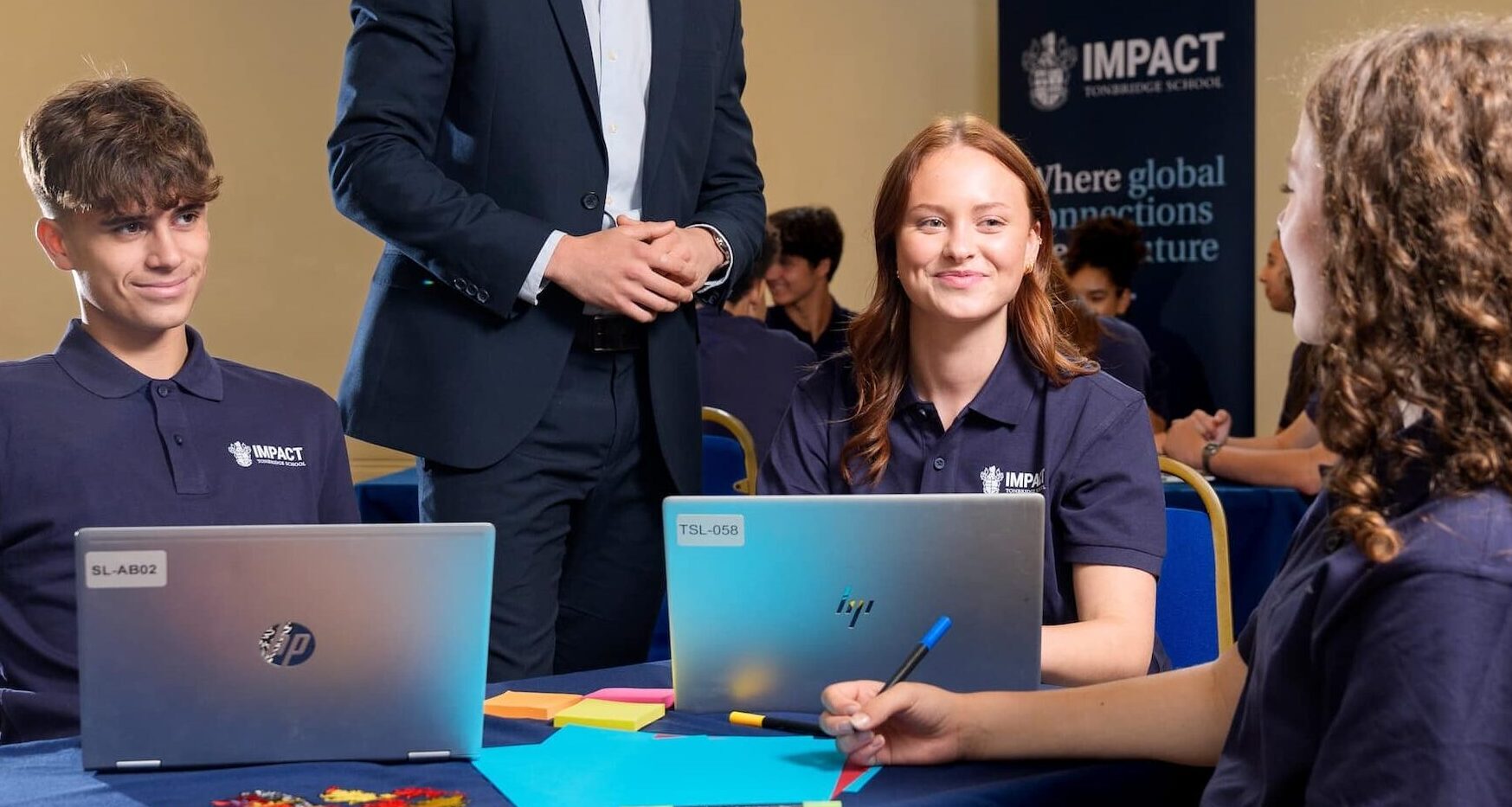
Students analyse case studies, compare possible responses and take part in structured debates and negotiation exercises. Working in teams, they allocate roles, assess evidence and explain their decisions to others. Tutor feedback helps them refine an argument, listen carefully to alternative views and develop a considered response. Reflection links these experiences to their own approach to leadership and collaboration.

Example end of course project

A simulated international summit asks students to respond to a major flood affecting a city. Teams represent different organisations or communities, assess the consequences and negotiate priorities. They present a coordinated response plan, explaining how it balances immediate needs, longer-term recovery and the responsibilities of those involved. Questions from other groups test the clarity and strength of their reasoning.

Book a place on this Academic Pathway

Book Now

Tonbridge School
High Street
Tonbridge, Kent
TN9 1JP
England 

impact@tonbridgesummerprogramme.org 01732 900650

Tonbridge Group

  • Tonbridge School
  • EM Forster Theatre
  • Tonbridge School Centre
  • Tonbridge Events
  • Tonbridge Society
© Impact 2026 SafeguardingPrivacy PolicyAccessibility Statement

Web design

by

TWK